CZAS PRZECZYTANIA TEKSTU: 2 minut(y) / READING TIME: 2 minutes
The Erasmus + program really knows no borders!
At the turn of May and June 2022, I had the pleasure to visit the Faculty of Law of the University of West Indies in Barbados.
I was very curious about this visit for several reasons.
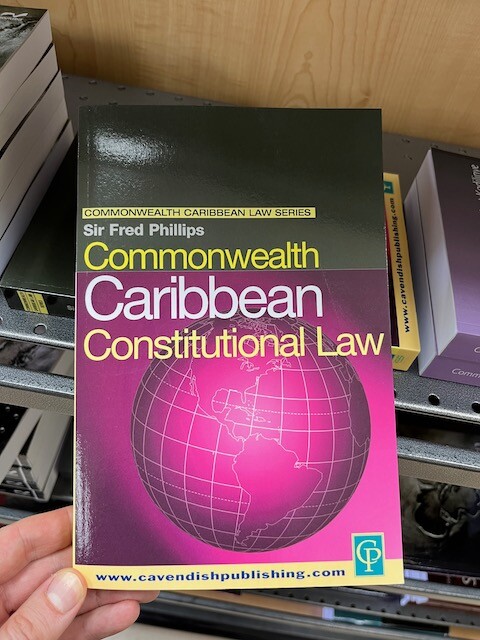 First of all – as a constitutional lawyer researching contemporary monarchies and the relics of monarchy in the republics – I visited the young Republic of Barbados with great curiosity. It is worth adding that from November 2021, Barbados ceased to be a monarchy, and Elizabeth II ceased to be the Queen of Barbados. The young republic is intensively building and strengthening its new identity and political system. The result of this visit will be an article (in writing) about the transformation of the Caribbean monarchy into a republic and its new system. I trust that the reviewers will like it and it will be published this year (I will inform you when the publication is available). The legal system of the Caribbean countries only seems to be simple and „British”. Numerous nuances resulting from history, complex relations between these island states, influences other than the British legal system (e.g. French and Dutch law) and, of course, the achievements of the Caribbean nations, make the Caribbean legal system a fascinating subject of research, and its study – a challenge and an adventure.
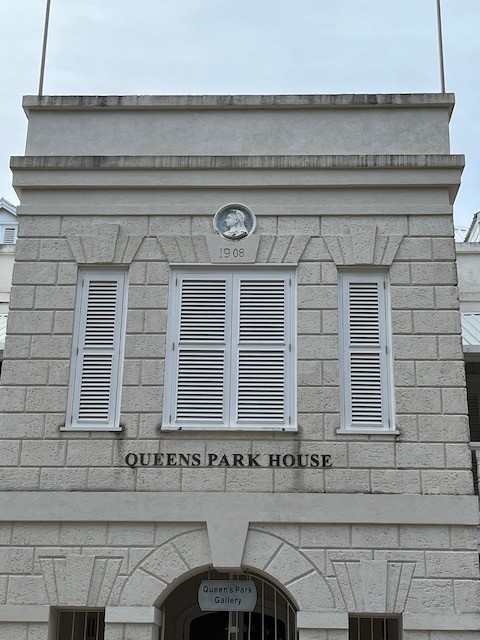
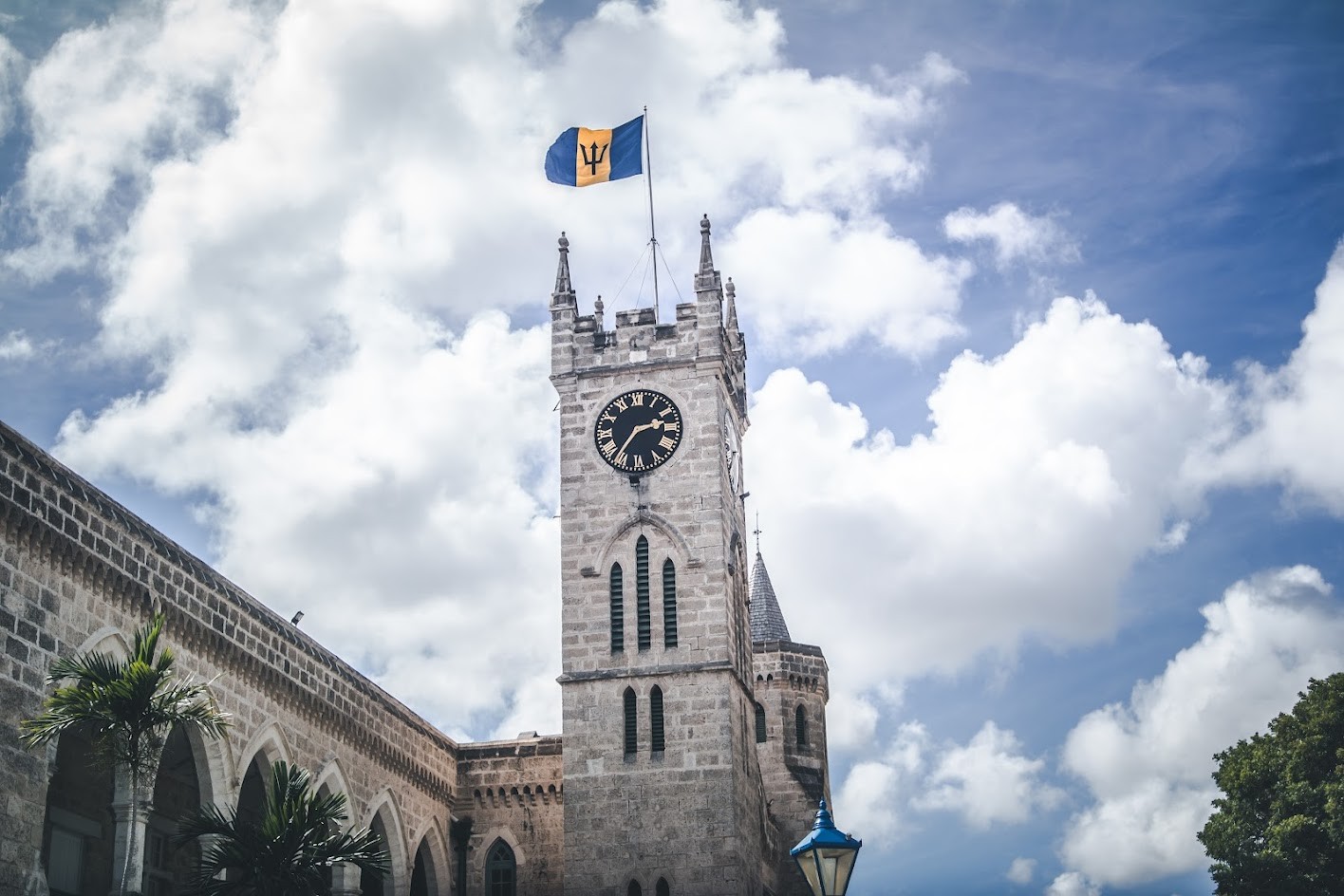
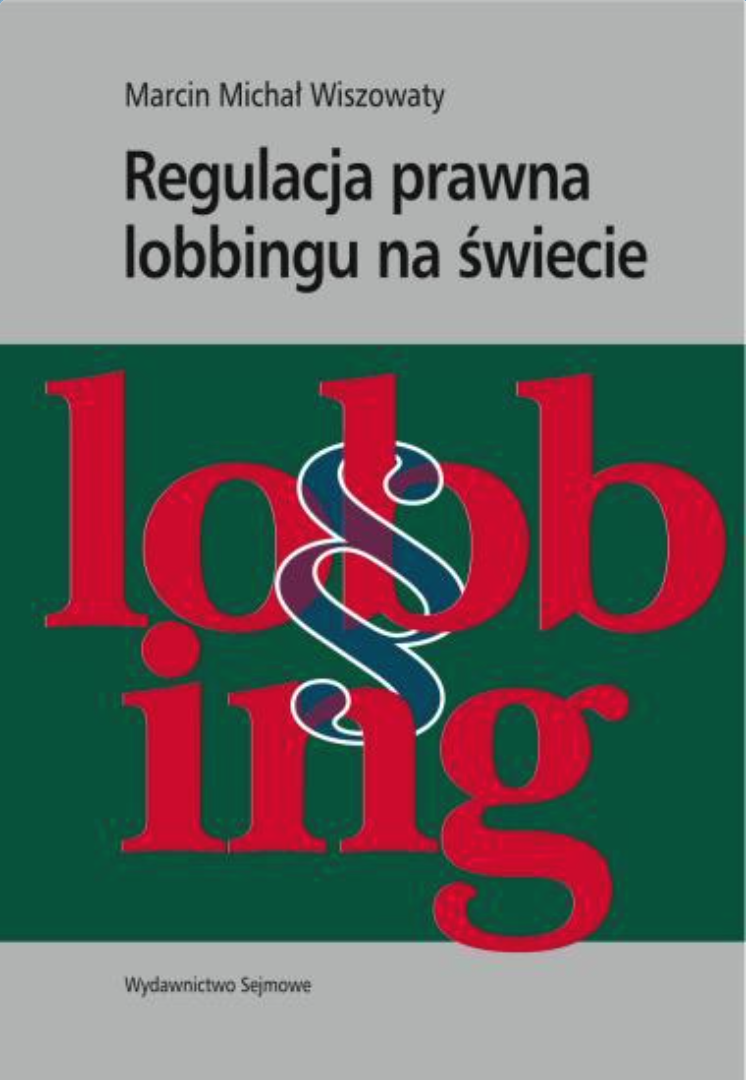
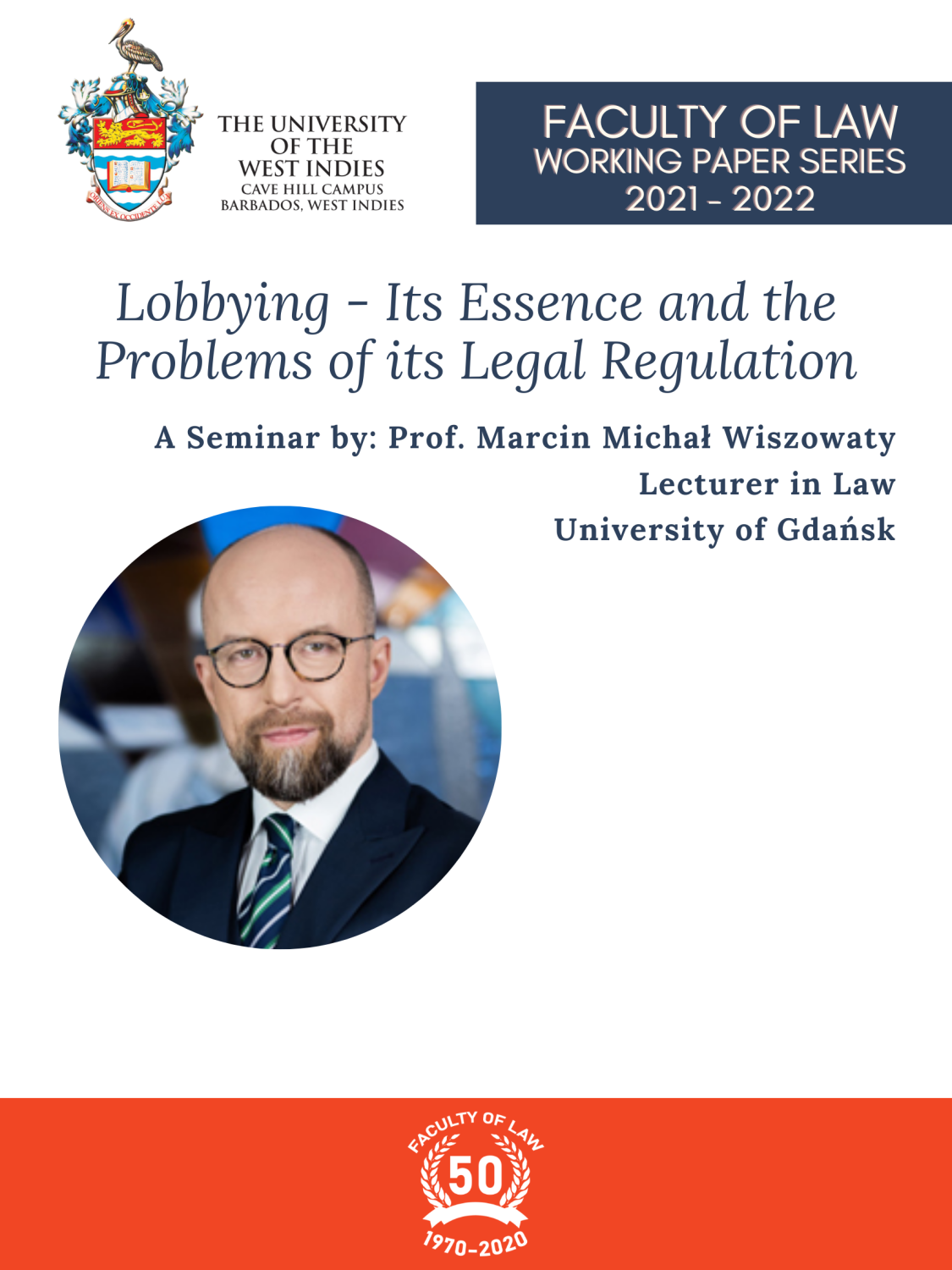 Secondly – as a lobbying researcher, I was curious about lobbying in Barbados. This phenomenon, closely related to the democratic decision-making process, takes many faces and is often confused with corruption (which is not difficult). My lectures under the Erasmus + program were devoted to lobbying. My lecture sparked an interesting and long discussion. I was impressed with the substantive preparation of my listeners. Not only were they well versed in the subject, but one of the students even studied the lobbying regulation in Serbia (which I recommended as one of the newest examples of lobbying legal regulation) to get to know the subject better. With one of the professors, we got into an interesting discussion about the actual differences between lobbying and corruption (my interlocutor initially doubted whether such significant differences exist), as well as about the specificity of lobbying in small countries and in small nations – such as in Barbados and the Caribbean. The discussion was for me a source of not only new knowledge, but also allowed me to look at the lobbying issue through the eyes of my audience in a completely different way. After reflecting on this discussion, I will enrich my lecture with new elements. Maybe one day Barbados will decide to legally regulate the lobbying issue, and one of my listeners will remember that he once attended a lecture on this subject. It would be a great story and an interesting task if I were invited to work on this regulation. I remain at your service!
 Thirdly – the trip was supposed to be a kind of test concerning the international (non-European) version of the Erasmus + program. As vice-dean for international cooperation, for a large part of 2021 I participated in negotiations and talks with partners for the new edition of the Erasmus + International program. Barbados was among them, but also other, also distant countries. Does the expedition of European researchers (we went as a group of 4 lecturers from our Faculty) to such a distant country where common-law prevails in the post-British edition make sense? I can successfully answer this question in the affirmative. There are already many benefits of the trip, and I hope there will be more. A visit to the university campus, the library of the Faculty of Law, lecture halls, talks with the authorities of the Faculty and representatives of the administration, contact with students – showed that regardless of the distance and legal system, we, as academic lawyers, have similar problems, challenges and goals. The possibility of exchanging experiences in this area is a valuable benefit of international mobility. Direct conversation is an incomparably better way of contact than e-mails or even online contact. The scientific benefit of such a trip is the establishment of personal contacts with researchers from the same field, which may result in further cooperation, joint research and publications, or at least expert consultation on matters relating to the legal systems of the guest and host countries. The amount of interesting information about the political systems of the Caribbean countries and their mutual, often complex relations was huge, and the topic was fascinating. I don’t think I would have a chance to get to know all this interesting information and nuances even by reading professional books. Direct contact is also invaluable in the academic world.
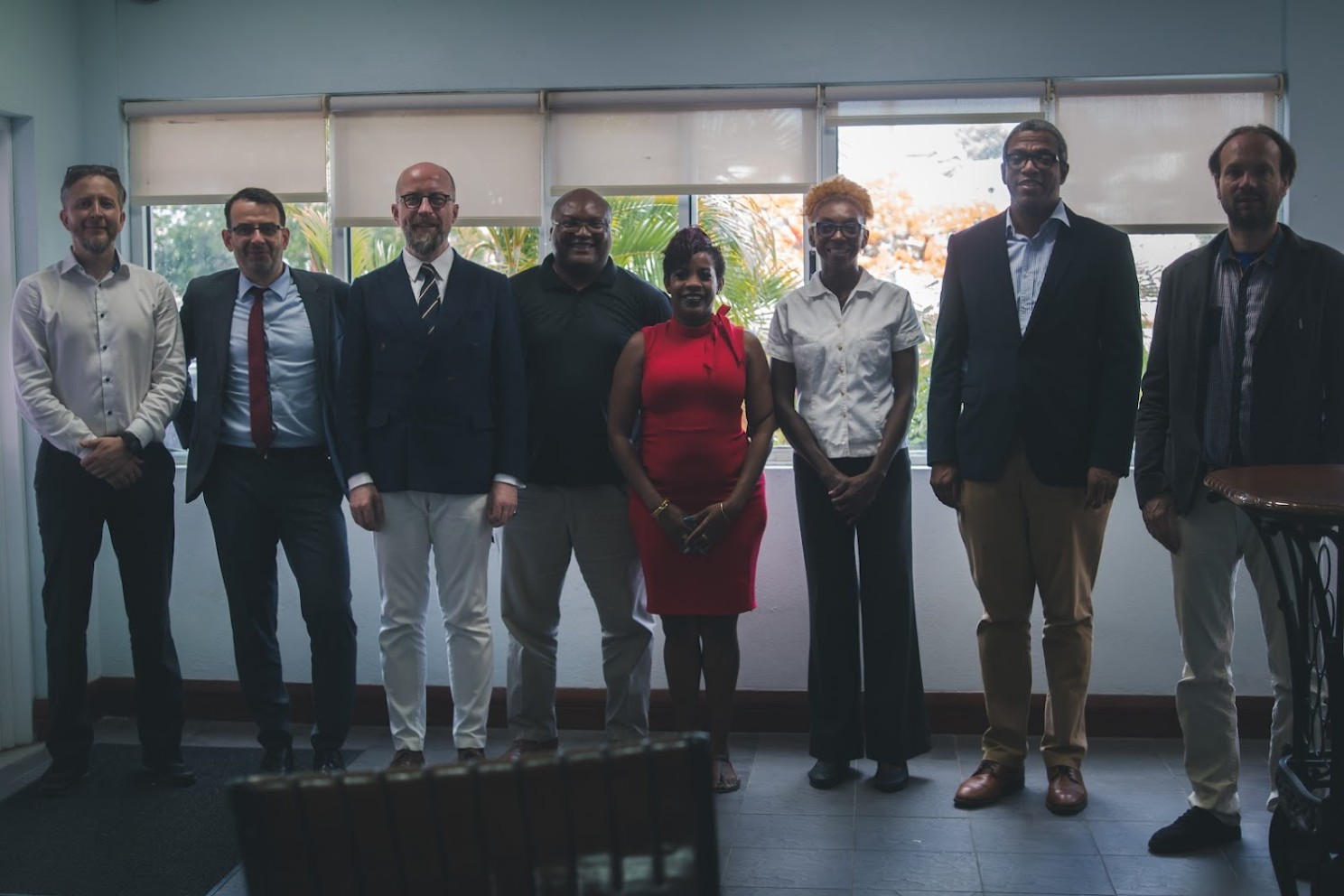
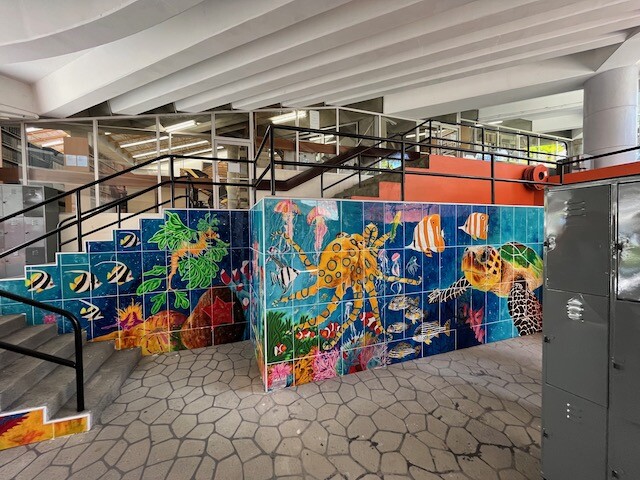
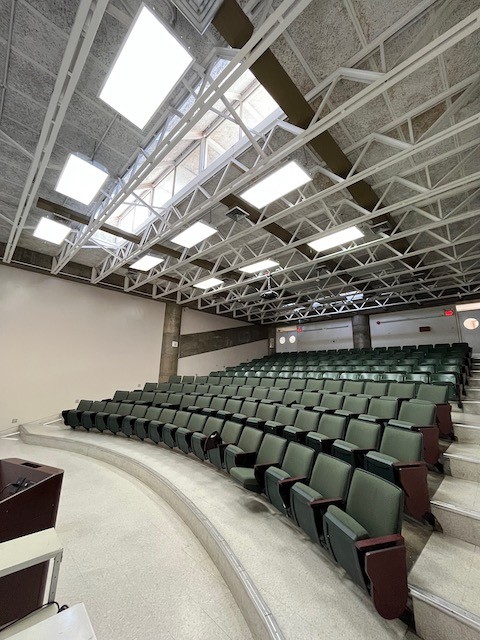
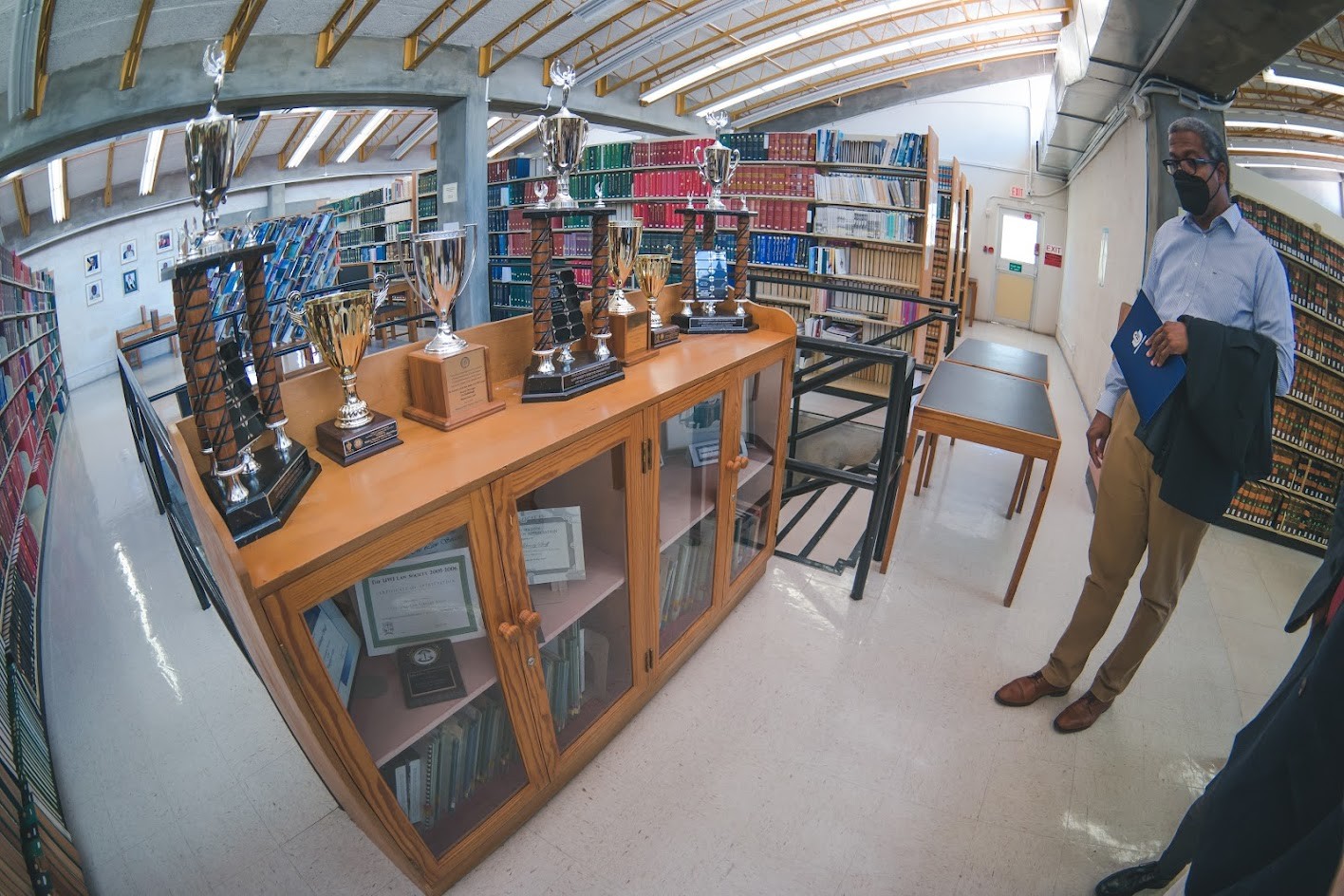
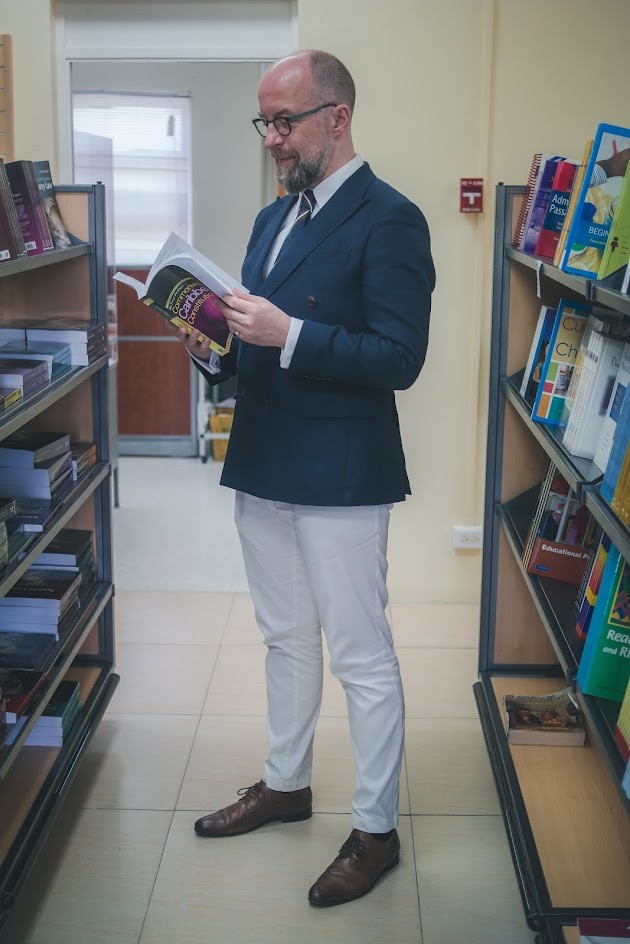
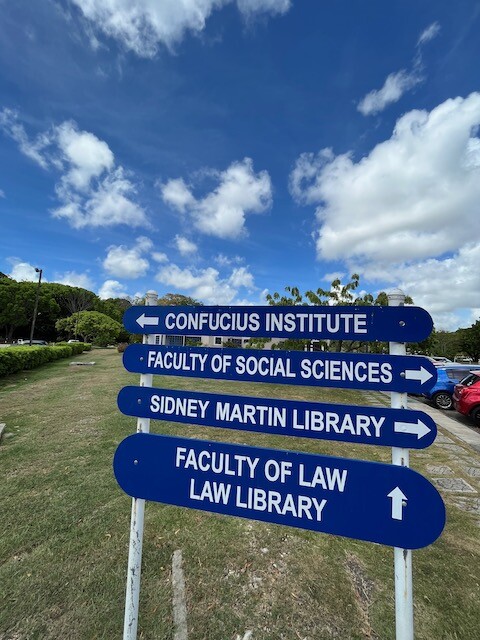
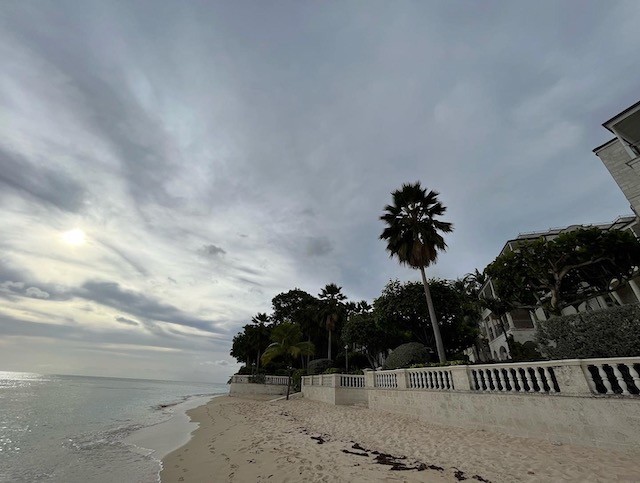
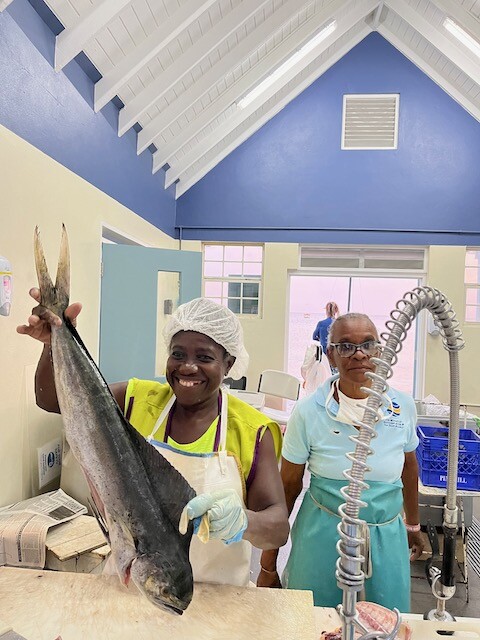
Fourth – we got to know Barbados personally. It is a beautiful part of the world with a very difficult history and a climate that is not easy for a northern European. The charm of the island and the great people of Barbados fully rewarded us with the long journey and high temperatures. The people of Barbados are very friendly and welcoming, always willing to help and proud of their country. Although we were only a week there – we left the island with regret. We hope to return there again.
Finally, I would like to send my best regards and thanks for the warm welcome and interesting conversations to my hosts and interlocutors: Prof. Edward Ventose, Prof. Nicole Foster, Prof. Cynthia Barrow-Giles and Prof. Alana Malinde S.N. Lancaster.